



Living with Maffucci Syndrome, Finding Connection and Hope for the future.
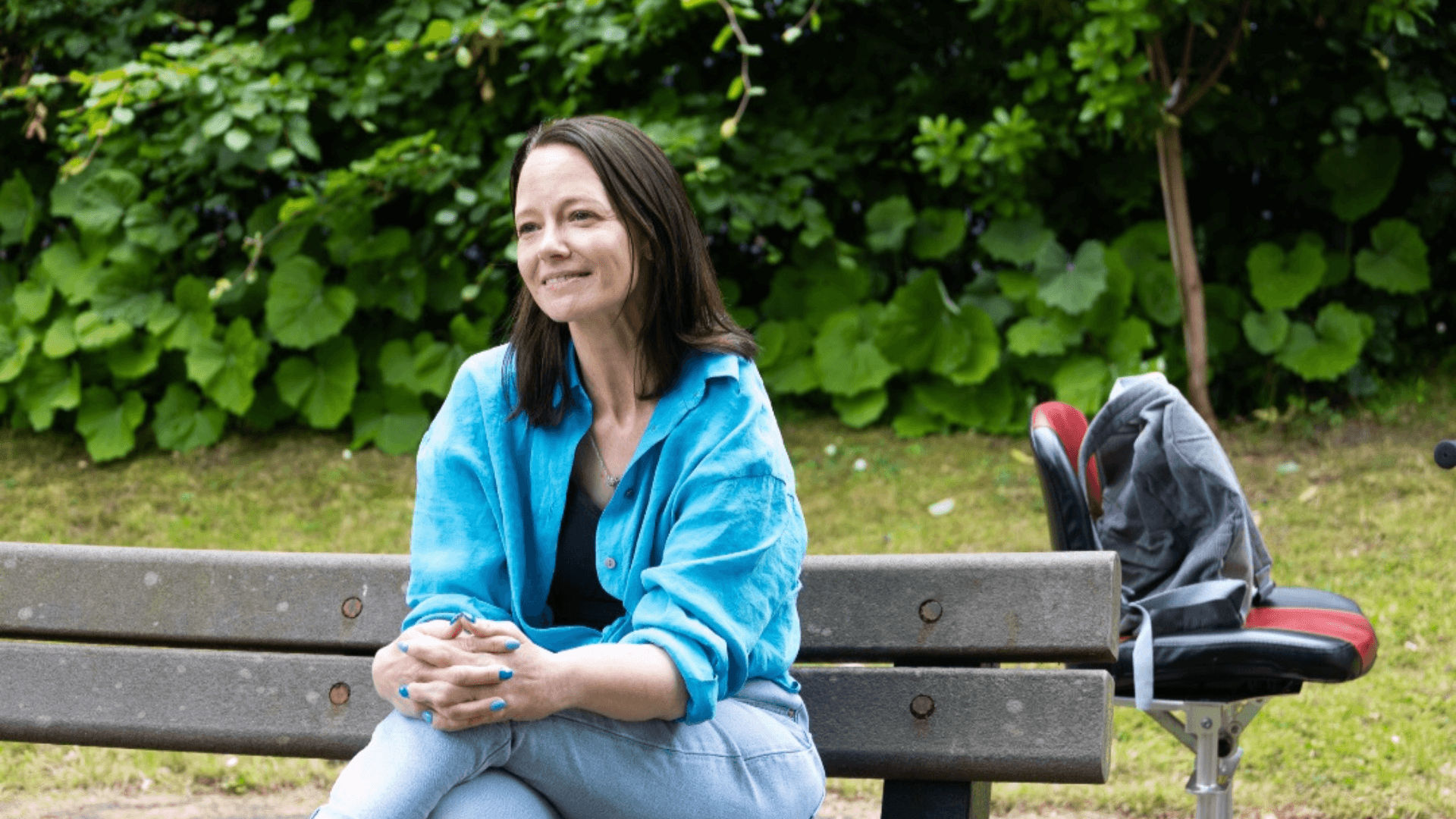
Tor’s Story
Living with Maffucci Syndrome, Finding Connection and Hope
Tor shares her experience of living with Maffucci syndrome, a rare condition that has shaped her life through repeated surgery, ongoing pain and uncertainty, and how support from KEMP Hospice has brought her comfort, connection and hope.
A Rare Beginning
I have always lived with something that feels both invisible and impossible to ignore.
It has a name—Maffucci syndrome—a rare condition born from chance, from tiny mutations in my genes that rewrote the story of my body before I could even speak. It means bones that grew differently, tumours that appeared where they shouldn’t, and a constant concern that something benign can, and has on three occasions, turned into something worse.
For me, it lives entirely on my left side. From the base of my skull to the tips of my toes, my body tells a divided story—one half familiar, the other marked by pain, weakness, and change. As I’ve grown older, that change has not slowed; it has deepened.
Growing Up with Uncertainty
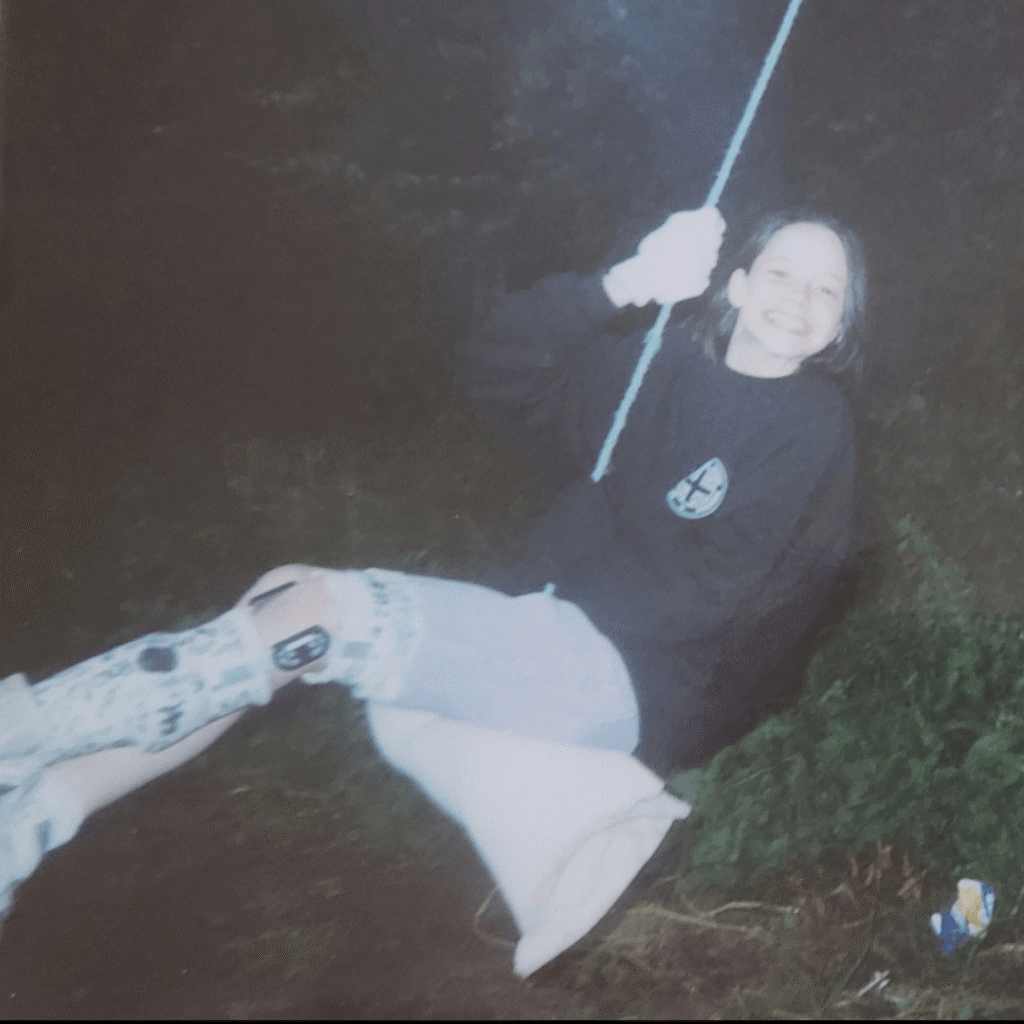
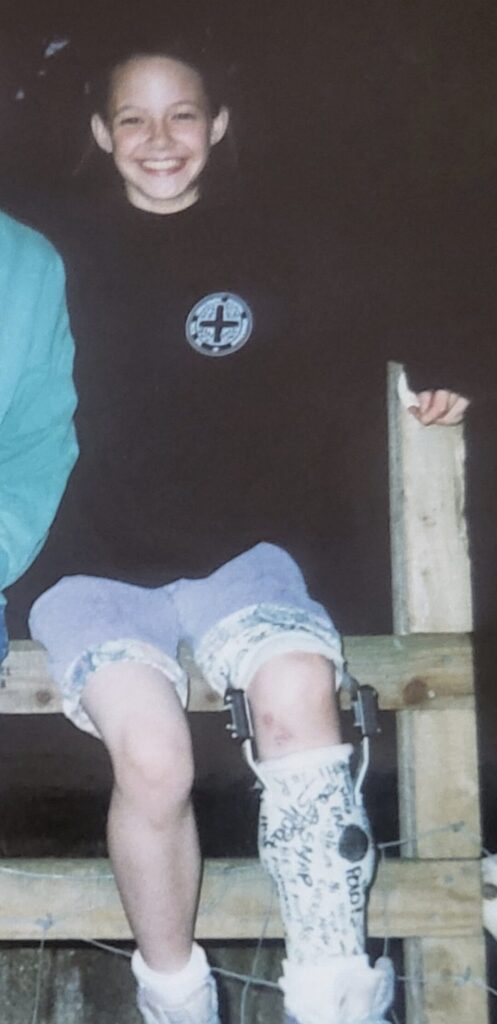
I was first diagnosed as a baby, long before I could understand what it meant. Back then, there were few answers. No internet. No communities. Just uncertainty and hope. My parents were told the tumours might stop growing when I did, but that wasn’t the case. That surgeries would help, and they did—so many surgeries that I’ve lost count. Each one felt like a cruel trade: pain now for possibility later.
I have lost parts of my body along the way—fingers, toes, even my shoulder blade due to chondrosarcoma (malignant tumours). I have endured leg lengthening and the reshaping of bone.
A Body That Told a Different Story
As I grew up, I inevitably learned more and as symptoms worsened, as new pains emerged, fear crept in. I have constant chronic pain that is never just in one place, worsening symptoms and a lack of mobility. Having to give up being a special support assistant in a primary school, which I loved and gave me a sense of purpose, has been very hard. Every ache is a question. Every change, a possibility I didn’t want to name and there were years where I felt completely alone. Like I was the only person in the world living this life. It was isolating. Frightening. Heavy.
Then, slowly, things shifted. Through my research and getting involved in various groups and attending conferences, I’ve met patients like me and heard stories like mine, I began to feel less alone.
Finding My Way to KEMP
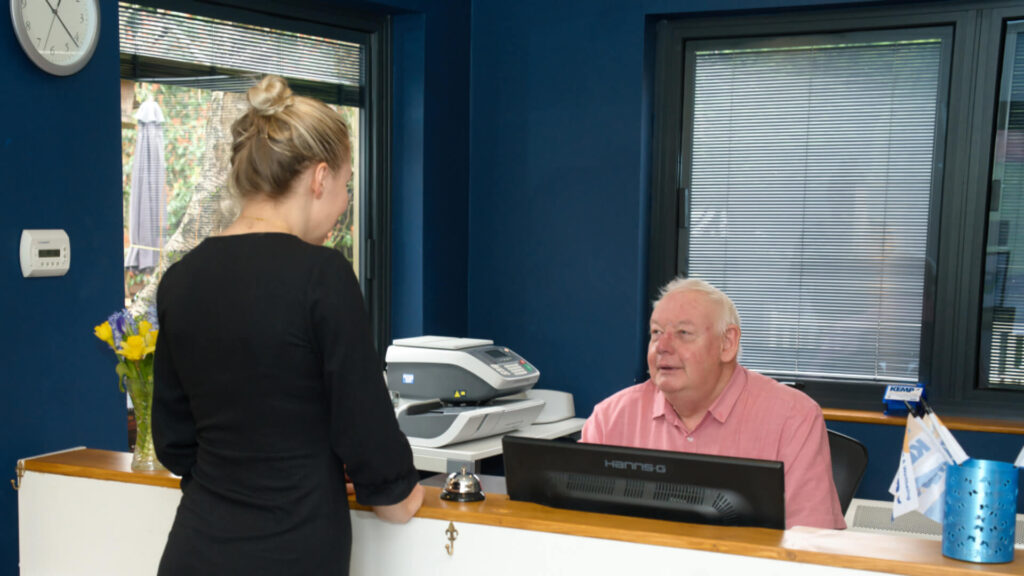
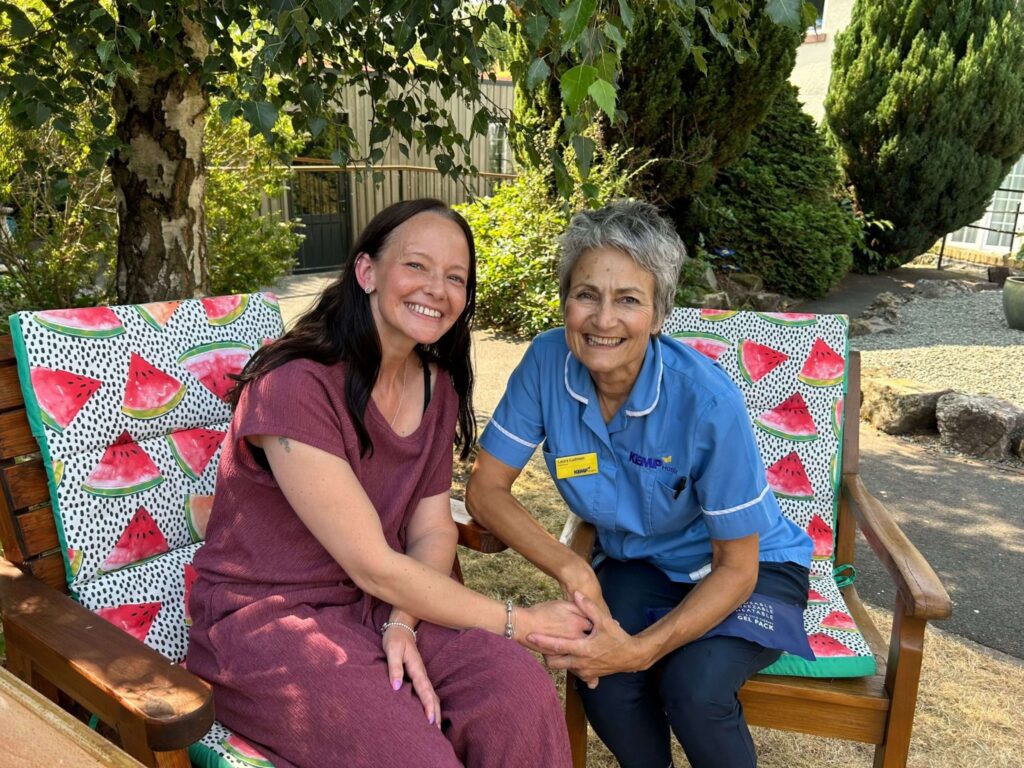
Eventually, I found my way to a place I had passed many times without understanding what it truly was: a hospice. I was afraid at first. Afraid of what it represented. Afraid of the emotions it might stir. But I walked through the doors to KEMP anyway, carrying my uncertainty with me. What I found was not what I expected. There was laughter, understanding and warmth. From the moment I made those first hesitant steps, there were kind, open and understanding people who welcomed me without hesitation. I remember how nervous I was that first day, how my hands shook. But no one saw it. Or if they did, they met it with gentle smiles and of course, I kept going back.
More Than Care
Somewhere along the way, something inside me softened. In that space, I found more than care, I found connection. Conversations flowed more easily over paintbrushes and shared meals. Laughter filled the room more often than tears, though both were allowed to exist side by side. It became the best part of my week.
They helped me in ways I didn’t even know I needed—practically, emotionally, quietly. They listened without fear. Supported without judgement. Helped carry the weight when it felt too heavy to hold alone. I have been coming here for over a year now and it has helped me in a way that nothing else has. Most importantly, KEMP has given me back a part of myself I thought I had lost.
Looking Forward with Hope
Living with this condition still means uncertainty. It still means pain. That hasn’t changed. But now, I don’t walk through it alone. There’s an invisible thread at KEMP that connects us—those of us who share that space. A quiet understanding. A sense of belonging. A kind of family. On the days when the road feels darkest, they don’t try to take it away. They simply walk beside me, helping to light the way.
More stories

Chris’s Story
A diagnosis of cancer in 2020 saw Chris’s life change. After being referred to KEMP Hospice, he found a place to help him get on with life and enjoy a weekly visit for a happy time with others.

Carol’s Story
Carol has always led an active and independent life, but a diagnosis of life-limiting conditions has meant her life was changed beyond measure. Find out how support from KEMP Hospice has helped her find new interests and new friends.

Richard’s Story
After a diagnosis of a brain tumour, Richard found support from the team, services and new friends at KEMP Hospice.